





How IB Builds Life Skills Beyond Academics
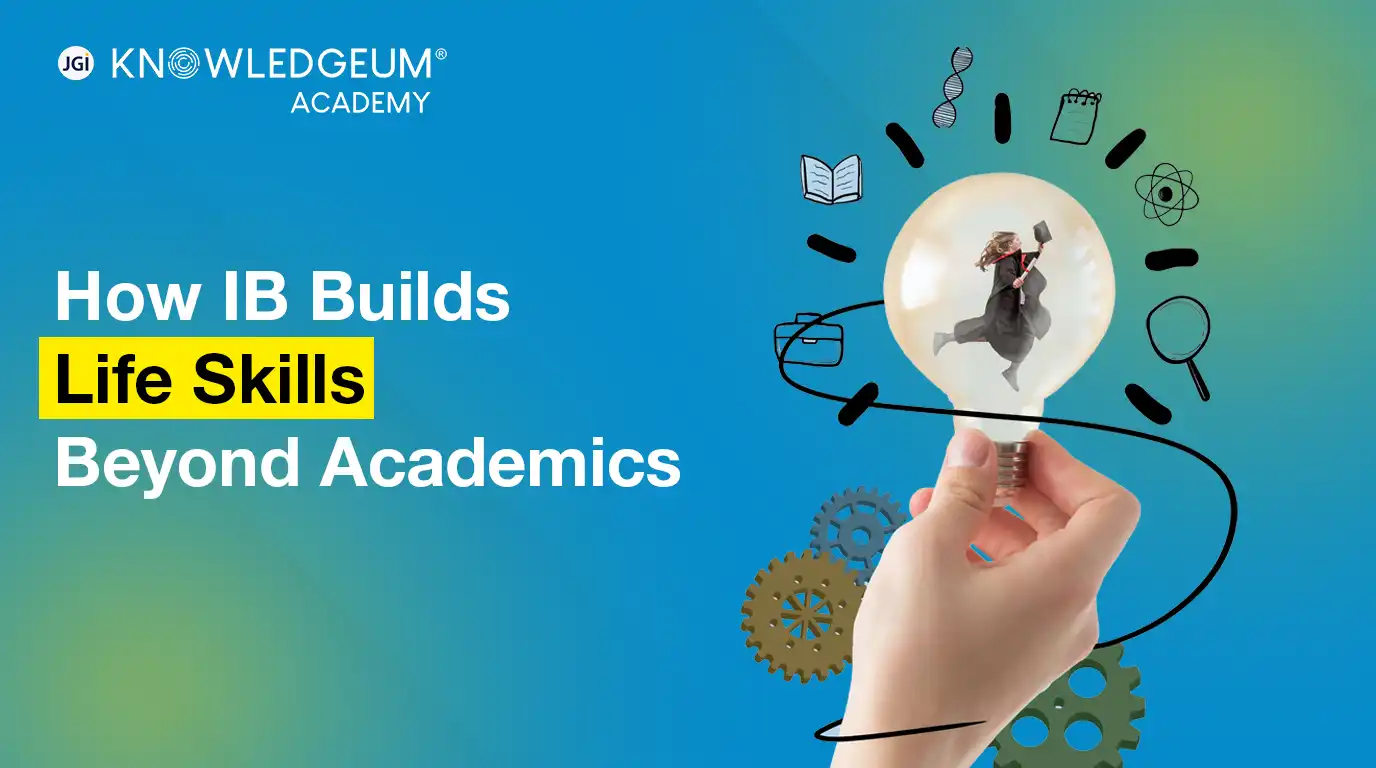
The International Baccalaureate (IB) programme is known for its unique approach to education, as it focuses on holistic development. IB is all about inquiry-based learning, being open to other cultures, and personal growth. It has a curriculum for different age groups, from the Primary Years Programme to the Diploma Programme. IB combines inquiry-led learning with the DP Core (TOK, EE, CAS) and skill frameworks like ATL to develop essential life skills that remain relevant long after the exams are over. It stresses critical thinking, communication skills, global awareness, leadership, and self-management. This holistic approach ensures you are university-ready as well as prepared to navigate real-world challenges with IB life skills like confidence, empathy, and adaptability. You will find that IB schools in Bangalore encourage you to connect your lessons with the real world. This blog explains how IB builds life skills that are helpful beyond academics.
Table of Contents
- Core IB Principles for Life Skills Development
- Key IB Life Skills Learners Gain Beyond Textbooks
- Critical Thinking Skills in IB: How TOK & Research Build Better Thinkers
- Time Management in IB: Managing Deadlines, IAs, EE & CAS
- Global Citizenship in IB: International-Mindedness in Action
- Communication and Collaboration in IB: Orals, Group Work, and CAS
- Balance in IB: Academics, Activities, and Wellbeing Skills
- Practical Ways Parents & Students Can Strengthen IB Life Skills
- Importance of IB Life Skills
- FAQs
Core IB Principles for Life Skills Development
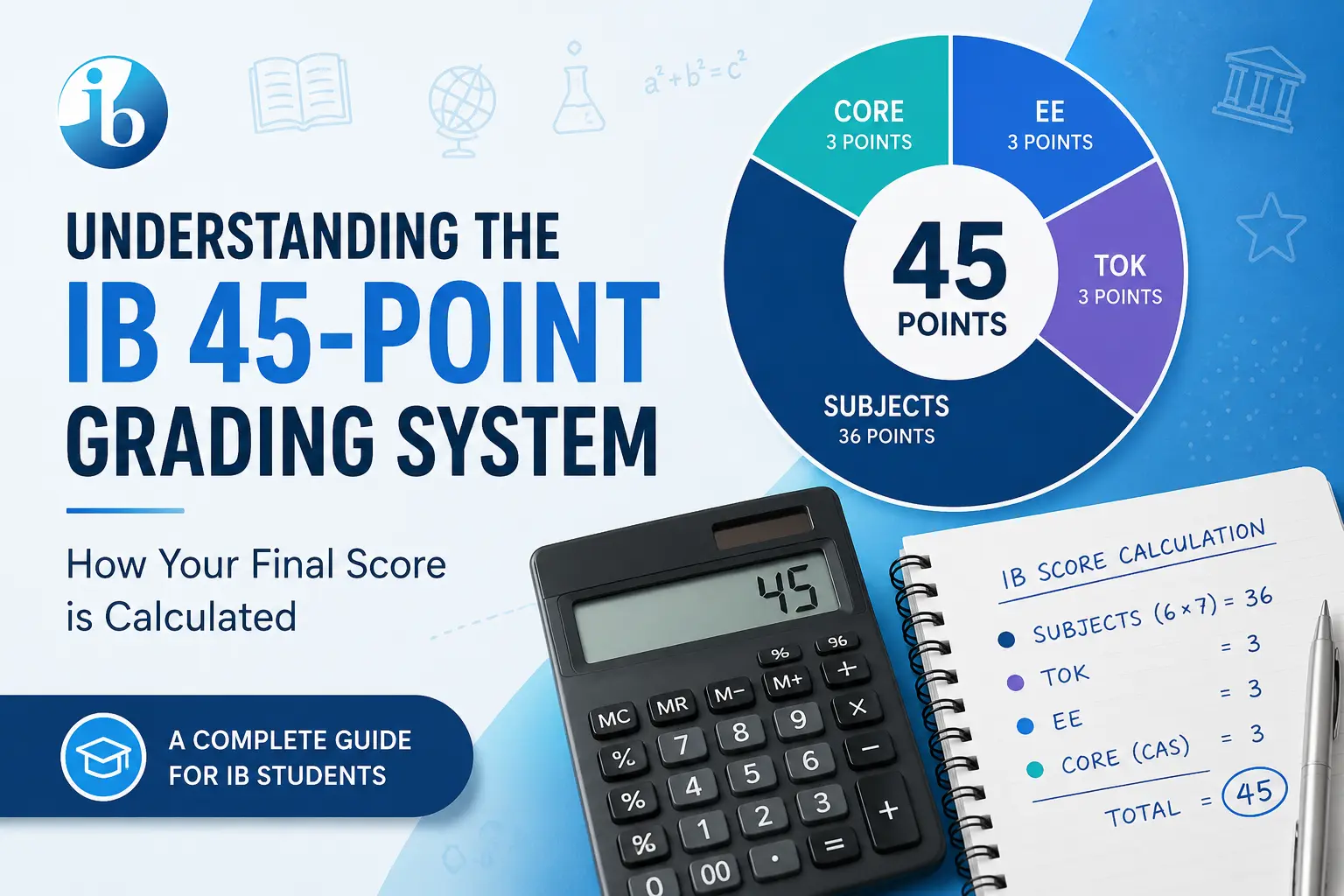
The IB Learner Profile lists traits like risk-takers, inquirers, and thinkers. These words shape what happens every day in the classroom. The IB is known for its cross-disciplinary structure. The teaching ensures you learn to make connections between different types of information. Theory of Knowledge (TOK) in IBDP questions biases to build critical thinking. These are important in today's era to spot misinformation and fake news.
Another one of the DP core elements is CAS: Community, Action, and Service. This is where you are expected to run environmental drives or volunteer at local shelters. The projects should be community-focused to improve your leadership and empathy.
Key IB Life Skills Learners Gain Beyond Textbooks
IB turns passive studying into active learning. It helps you create global awareness that is necessary if you want to apply to international universities. Here is what makes IB great
Critical Thinking Skills in IB: How TOK & Research Build Better Thinkers
The IB includes Extended Essays and Internal Assessments, where research and originality are required. You are expected to gather the information, assess the data, and form your conclusion based on your research. For example, you can evaluate the effects of climate change in your geographical location. It ensures you are studying the effects at the community level.
Time Management in IB: Managing Deadlines, IAs, EE & CAS
The IB programmes are known for their rigorous workload. When it comes to IBDP, you have six subjects along with DP core elements. The projects and internal assessments have deadlines for submissions. The in-depth curriculum for subject groups requires you to stick to the smart study routine. These factors require efficient time management. When you learn to manage your time during academic years, you learn to manage stress and stay calm under pressure in your professional life.
Global Citizenship in IB: International-Mindedness in Action
The IB holistic education presents an international curriculum that teaches you to be culturally sensitive. Learning foreign languages, assessing information through a global lens, and understanding international politics let you see things from different points of view. It will be beneficial when you start working in multicultural workplaces.
Communication and Collaboration in IB: Orals, Group Work, and CAS
IB focuses on regular individual oral assessments, group projects, and Theory of Knowledge exhibitions. All these require learners to develop strong communication skills. The Extended Essay strengthens your writing skills as well. When working on group projects or Creativity, Activity, and Service, IB helps you develop leadership and collaboration skills.
Balance in IB: Academics, Activities, and Wellbeing Skills
IB requires you to focus on six subjects along with the DP core elements. This ensures there is a balance between academic and extracurricular activities. You get a chance to participate in sports, try different art forms, and engage in community projects. This teaches you how to maintain professional interests and also focus on personal hobbies.
Practical Ways Parents & Learners Can Strengthen IB Life Skills
The IBDP has core elements like TOK, CAS, and EE. Along with that, the IB Approaches to Learning (ATL) skills are also a big part of the IB curriculum. The five core categories are communication, research, self-management, thinking, and social skills. Here are a few ways to ensure you can use these elements to strengthen life skills:
| IB Component | Life Skill Built | Actionable Tip |
| TOK | Critical Thinking | Debate current events weekly. Question assumptions in daily news. Journal counterarguments. |
| CAS | Leadership | Volunteer locally, reflect in journals. Lead a small team project. Seek mentor feedback. |
| Extended Essay | Research Skills | Choose passion-driven topics. Use 3+ credible sources per section. Outline before drafting |
| ATL Skills | Self-Management | Track progress with planners. Set weekly SMART goals. Review and adjust daily habits |
| PYP Inquiry-based learning | Creativity | Integrate arts into home projects. Experiment with recycled materials. Share creations online. |
Importance of IB Life Skills
The IB takes teaching beyond classrooms to nurture thinkers, communicators, leaders, and compassionate learners. When you are an IB learner, you will develop skills useful in personal as well as professional life. From being culturally sensitive to learning time management, these IB life skills will shape your future.
Knowledgeum Academy, one of the best IB schools in Bangalore, is known for offering a holistic learning environment. This prepares you not only for exams but also for life. Contact us today to be a part of the IB community.
Which IB life skill, like critical thinking, communication, leadership, or time management, matters the most for your child right now? Tell us why in the comments.













0 Comments