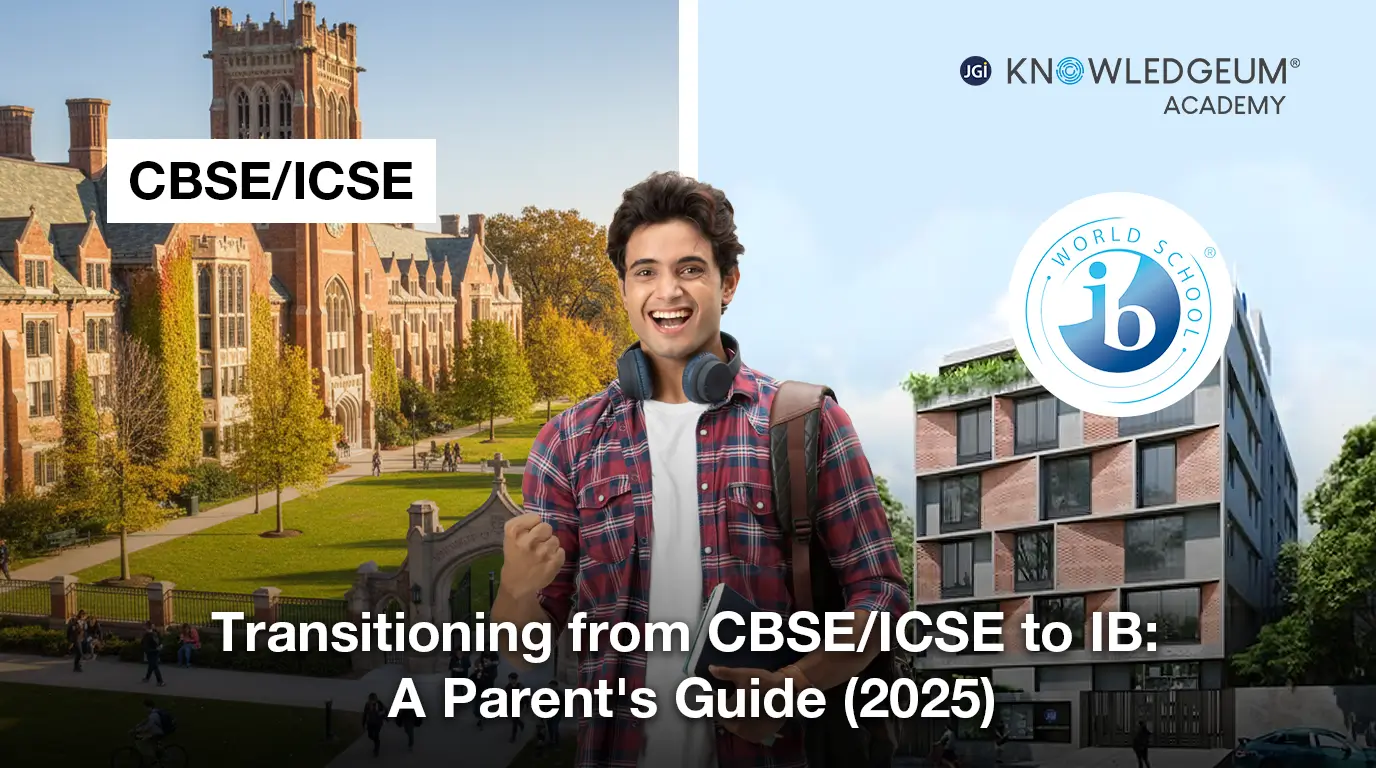
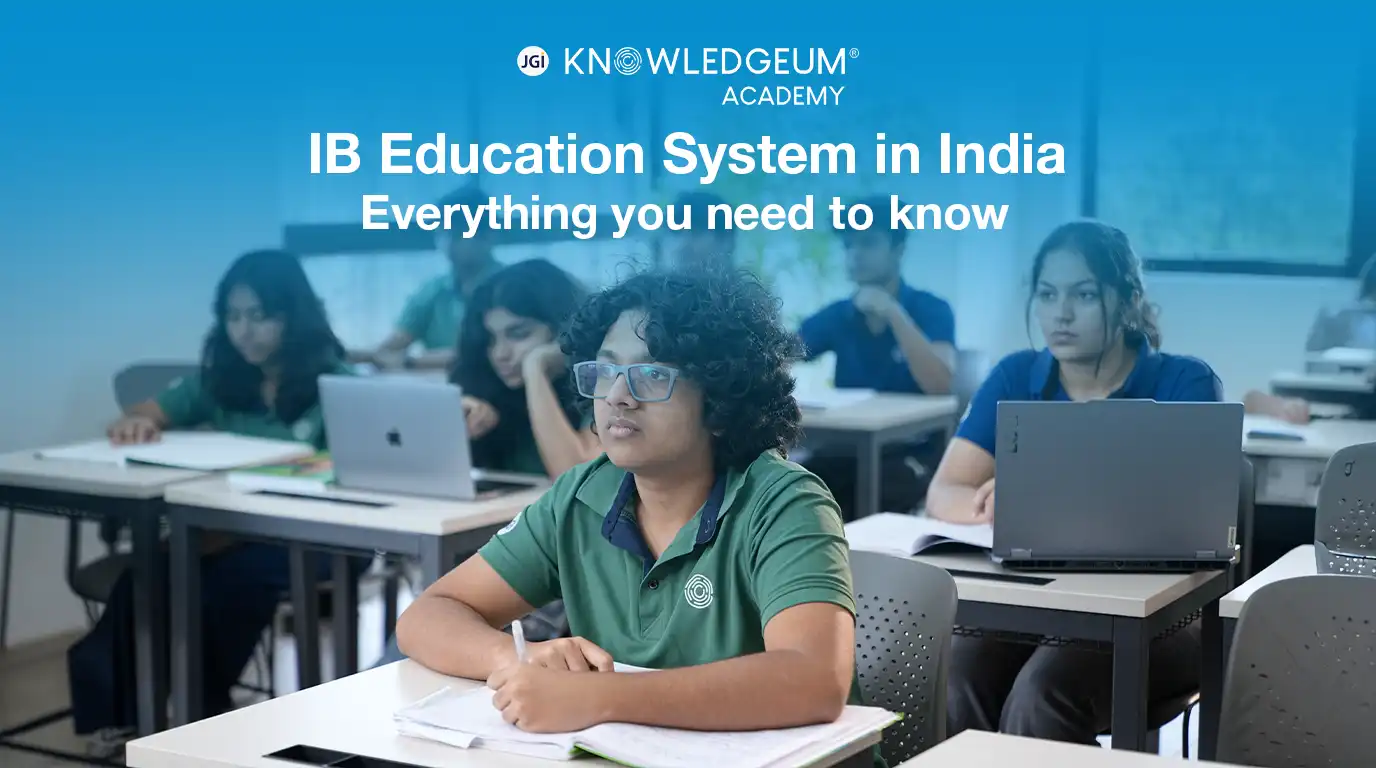
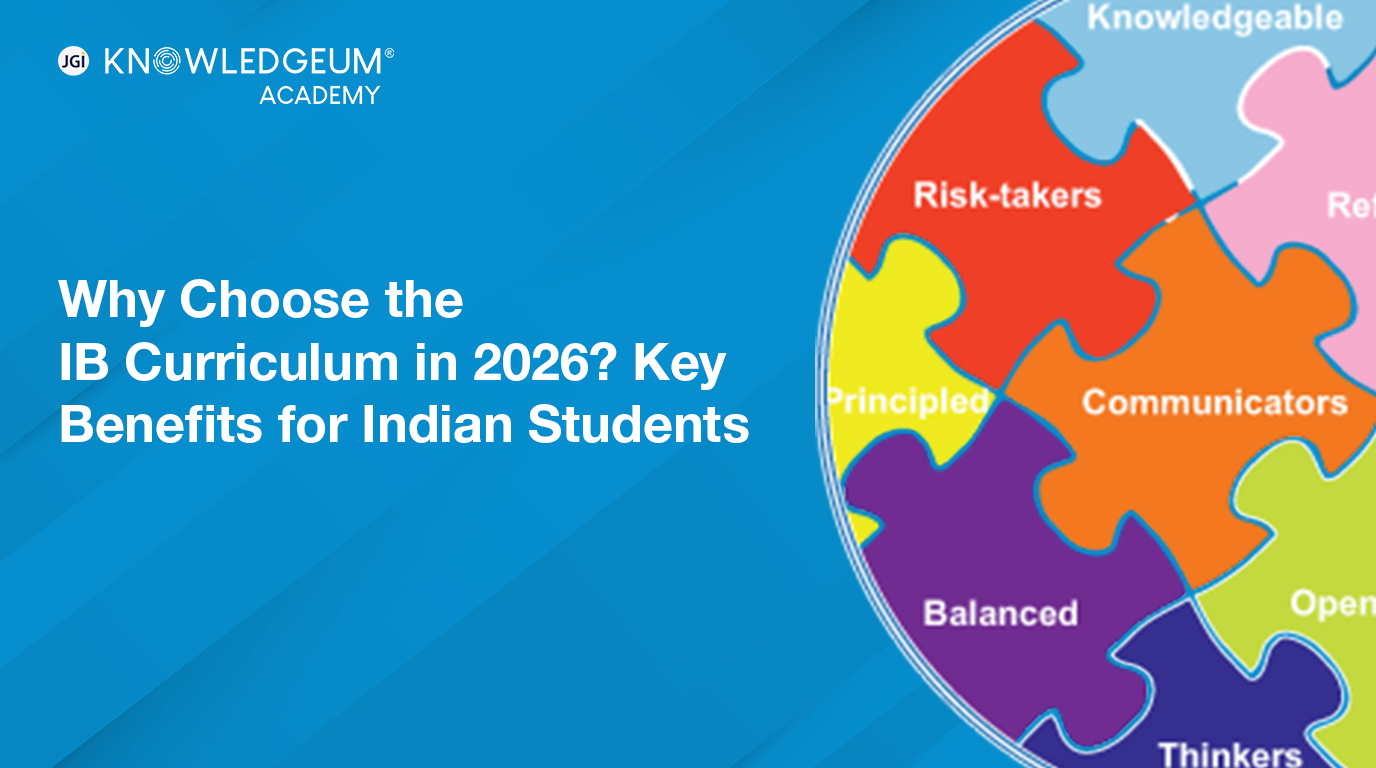
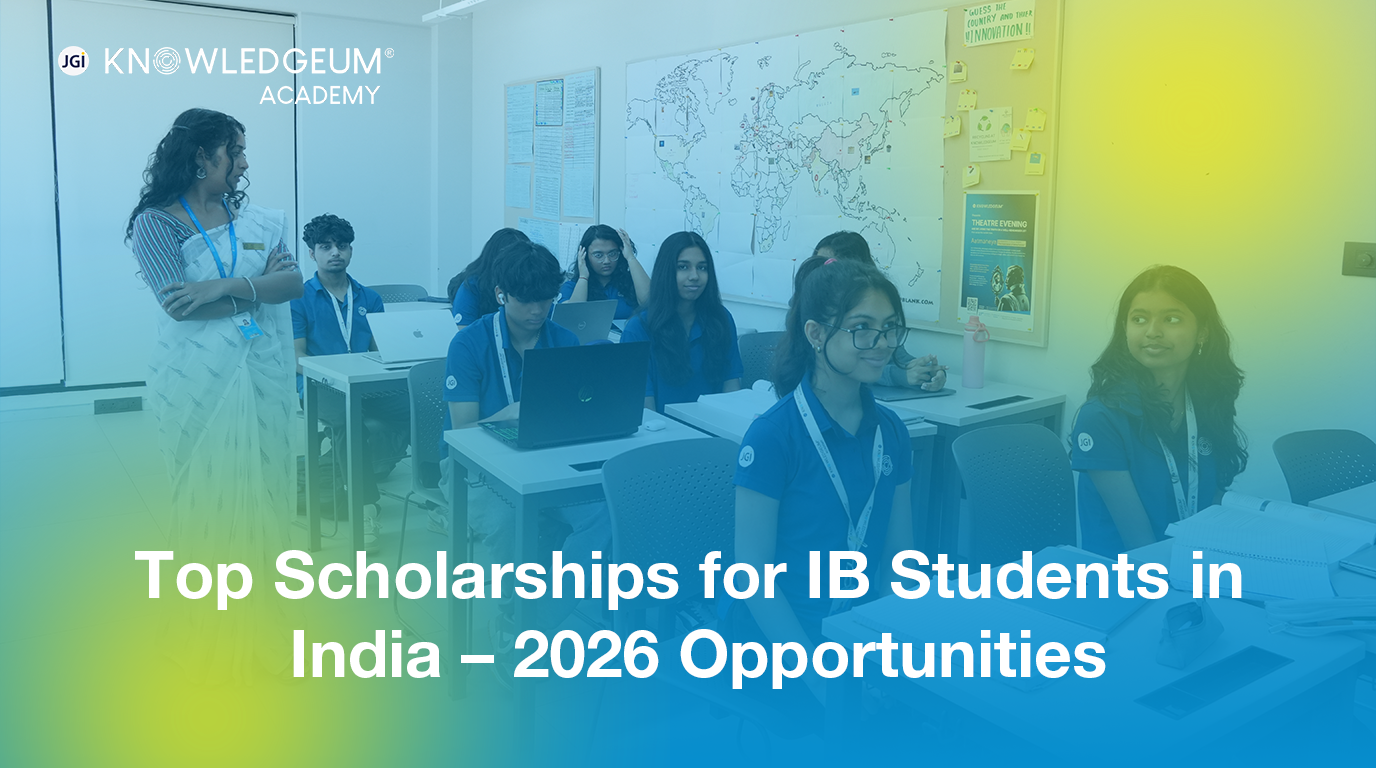
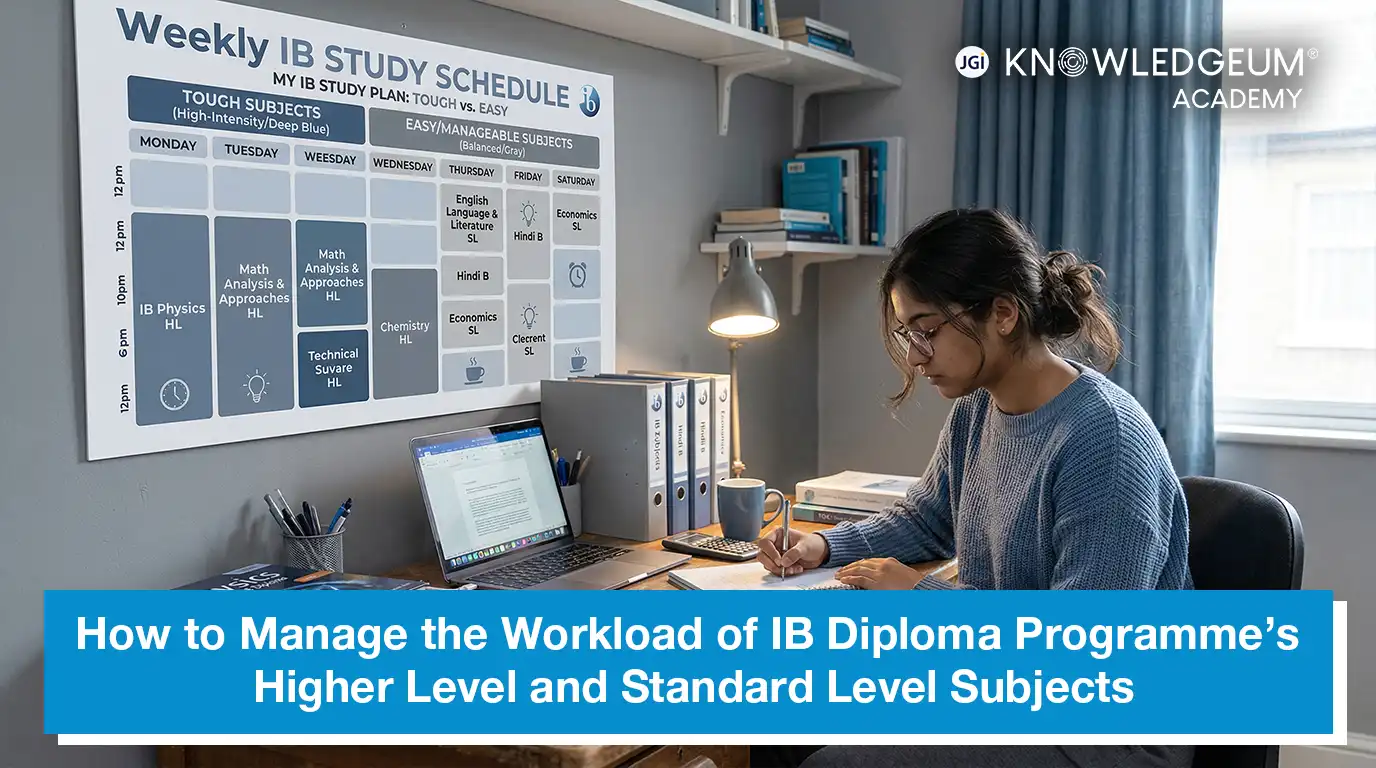
Moving your child from the Central Board of Secondary Education (CBSE) or Indian Certificate of Secondary Education (ICSE) to the International Baccalaureate (IB) takes serious thought. Your child will swap familiar learning for something different. They'll think on their own. They'll ask their own questions.
Universities worldwide know IB. It opens doors to international education. But IB needs more independence than CBSE or ICSE do. Your child will build stronger research skills. Time management becomes key.
Does this work for your child? Can they handle this type of learning? Grades alone don't answer that. You need to think about how they learn. Are they ready to take more control?
Let's look at what this shift means for your family.
The International Baccalaureate started in 1968. The goal? Create thoughtful learners who engage with the world. Not learners who cram facts. Learners see how subjects connect. They understand different cultures.
IB offers four paths:
IB doesn't just fill young minds with facts. Learners question what they learn. They look at different views. Education connects to world events. The goal is to think global and act local.
CBSE relies on final exams. Year-end tests decide success. That's the main measure.
ICSE splits grades differently. External exams count for 80 marks (80% of the total). Internal work adds 20 marks (20%) through projects and practical files.
IB works another way. Many parts build your final grade. Written tests matter. Projects count too. Learners write extended essays about topics they choose. Theory of Knowledge asks them to think about how we know things. They show three objects and write a 1,600-word essay. Creativity, Activity, Service (CAS) makes sure growth happens outside books.
What do schools expect from learners? That's the biggest shift.
IB learners become researchers. They analyse information. They create new ideas. They drive their own learning. They must form their own conclusions.
Top universities know IB well. Research shows IB learners get 18% higher acceptance at Ivy League schools. The rate jumps to 22% higher at other top universities.. These graduates enter with research skills. They write well and think critically.
Your child's education goes beyond single subjects. IB helps learners understand world issues. They value different cultures. They see themselves as part of a global community. Our economy connects more each day. This view matters now.
IB builds skills your child uses for life:
IB graduates enter university ready. They manage their own education. They don't wait for professors to tell them what to do. They see what needs learning. They go after it.
Your child faces big adjustments. Educators give less direct instruction. Exploration matters more than exam prep. Study methods will need to change.
What new skills will you see? Better time management comes first. Research skills grow steadily. Internal drive gets stronger.
Real changes happen, too. Projects and assignments are spread across terms. The subject work goes deeper than before.
Different adjustments show up here. Subjects start to overlap, and practical work matters more. Balancing study with activities becomes key.
Your child gets better organised. Managing many projects becomes normal. Setting priorities gets easier.
Changes show up in daily life. Coursework runs with activities, not separately. Learning needs steady work, not just pre-exam cramming. Different interests happen together, not one by one.
Some adjustments affect everyone. Adjustment takes time. Be patient. Thinking gets more complex. World views get stressed constantly.
Teaching and assessment styles change. Your child's worldview grows as well.
Myth 1: "Only very bright learners can handle IB"
Wrong. IB suits curious learners who work hard. Current standing doesn't matter as much as commitment does. The programme works with different learning styles. It helps learners build needed skills.
Myth 2: "IB schools charge too much"
True, IB schools often cost more than CBSE or ICSE schools. But look at what you get. A recognised curriculum, with trained educators and global university recognition. Many parents see this as a good investment.
Myth 3: "IB focuses only on academics"
False. IB requires creative work, physical activities and community service. The programme builds complete individuals, not just top scorers.
Ask yourself these questions about your child.
Does your child feel limited when they can't explore subjects fully? Do they wonder how systems work or why events happen? Can they meet deadlines without constant reminders? Do they enjoy writing and sharing ideas? Are they curious about issues beyond home?
IB schools differ a lot. Some excel. Others just exist. During your research, follow these steps.
Check university acceptance rates. Where do graduates go? Ask about educator training. Talk to IB graduates and learn how schools support learners from different backgrounds.
Start IB at the beginning of the year. Why? Mid-year changes prove too hard. Learners need time adapting to new expectations, especially when coming from the more structured CBSE or ICSE.
Moving from CBSE or ICSE to IB means choosing a different approach to your child's education.
Start by researching top IB schools in India to see what quality looks like.
Knowledgeum Academy shows exactly how IB education should work, with a proven track record at top global universities, experienced international faculty and special support for learners from CBSE or ICSE backgrounds—your child won't just adapt, they'll thrive.
Click here to see why it ranks as one of the top IB Schools in India.
Grade 9 or 10 works best. Learners have time to adjust before starting the IB Diploma Programme in Grade 11.
Schools look at past grades to understand ability. But they focus more on your child's curiosity, willingness to learn alone and interview performance.
Most learners need one full term (three to four months) to feel comfortable. Some adjust faster. Some need more support.






How to Manage the Workload of IB Diploma Programme Higher Level and Standard Level Subjects

 Brochure


Address
No.10, (old 271/A), 1st Main Road


Quick links
© Knowledgeum


 Knowledgeum Experience