Apply Now
30-05-2023

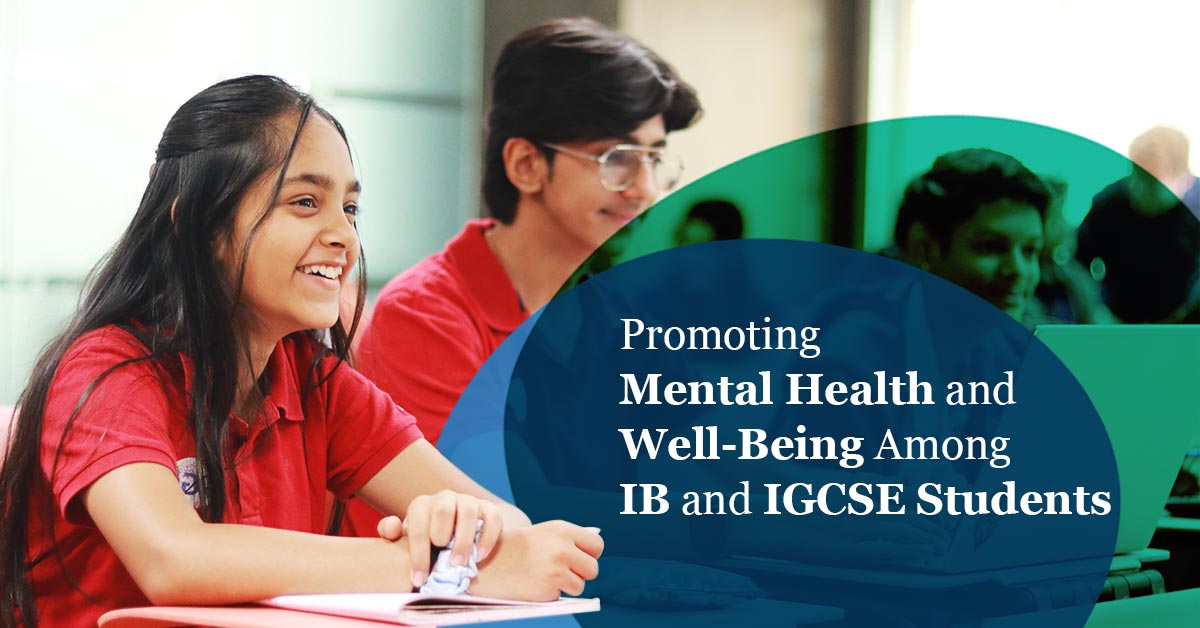
Promoting Mental Health and Well-being among IB and IGCSE Students 

The importance of mental health cannot be undermined any longer. Mental health is as important if not more for learners' mental health. This is especially relevant to those studying the International Baccalaureate (IB) and International General Certificate of Secondary Education (IGCSE) curricula due to the rigorous and challenging nature of the curricula. This blog examines the importance of encouraging mental health and well-being among IB and IGCSE students and offers practical methods to help them.

Promoting mental health among IB and IGCSE students is of the utmost significance for multiple reasons. Some of the reasons are their academic success, general well-being, emotional resilience, social and emotional skill development, avoidance of serious mental health difficulties, and long-term effect. Schools that prioritise mental health offer a supportive atmosphere in which kids may flourish, study, and grow into resilient individuals capable of handling life's obstacles.

  • Acknowledge the Pressure: The IB and IGCSE programmes are known to be academically demanding, with high expectations placed on learners. Educators, parents, and school officials must recognise the stress that learners go through and develop an atmosphere in which mental health is valued. Encourage candid conversation, establish a support system, and advocate a good school-life balance.
  • Encourage a Positive School Climate: Establishing a healthy and welcoming school atmosphere is vital for learners' well-being. Implement anti-bullying measures, build a culture of respect and empathy, and provide peer support programmes. To maintain a healthy balance, encourage learners to actively participate in extracurricular activities and pick up hobbies outside of academics.
  • Teach Stress Management Skills: Educate learners with stress management techniques that they may use throughout their academic endeavours and beyond. Introduce stress management practises within the curriculum, such as mindfulness exercises, deep breathing exercises, and time management measures. Encourage pupils to prioritise their well-being and practise self-care.
  • Provide Counselling Support: Build a thorough counselling programme within the school to give learners a secure place to express their difficulties and seek help. Learners dealing with academic pressure, stress, or emotional issues could profit from the counselling, coping skills, and resources provided by trained counsellors. To address common concerns and improve resilience, regular counselling sessions and seminars might be organised.
  • Promote Peer Support: Facilitate peer support programmes in which learners may interact and assist one another during times of hardship. Peer mentorship or buddy networks may provide learners with a feeling of community by allowing them to share their insights, seek guidance, and encourage those around them. These relationships help to create a friendly atmosphere and alleviate feelings of loneliness.
  • Emphasise School-Life Balance: Set reasonable expectations for learners and assist them in focusing on their well-being to help them achieve a healthy school-life balance. Encourage rest, physical activity, hobbies, and spending quality time with family and friends. Teach learners the value of time management, good study habits, and the significance of taking frequent breaks to recharge.
  • Collaborate with Parents: Develop broad channels for interaction with parents, informing them of the significance of mental health and well-being. Provide tools, training, and information on how to support their child's mental health. Encourage parents to take an active role in their child's education and to collaborate to build a healthy and nurturing home setting.

Supporting mental health and well-being among IB and IGCSE learners is vital for their overall development, successful learning, and long-term well-being. It is important to create a nurturing atmosphere that prioritises these learners' psychological health by acknowledging the pressures they face. It stimulates an encouraging educational environment, teaches stress management skills, provides counselling support, promotes peer support, emphasises school-life balance, and collaborates with parents.

We can all work together to help youngsters succeed academically and enjoy emotionally healthy lives.

Testimonials


Latest Blogs

IB Education System in India – Everything You Need to Know

Why Choose the IB Curriculum in 2026? Key Benefits for Indian Students

Top Scholarships for IB Students in India – 2026 Opportunities

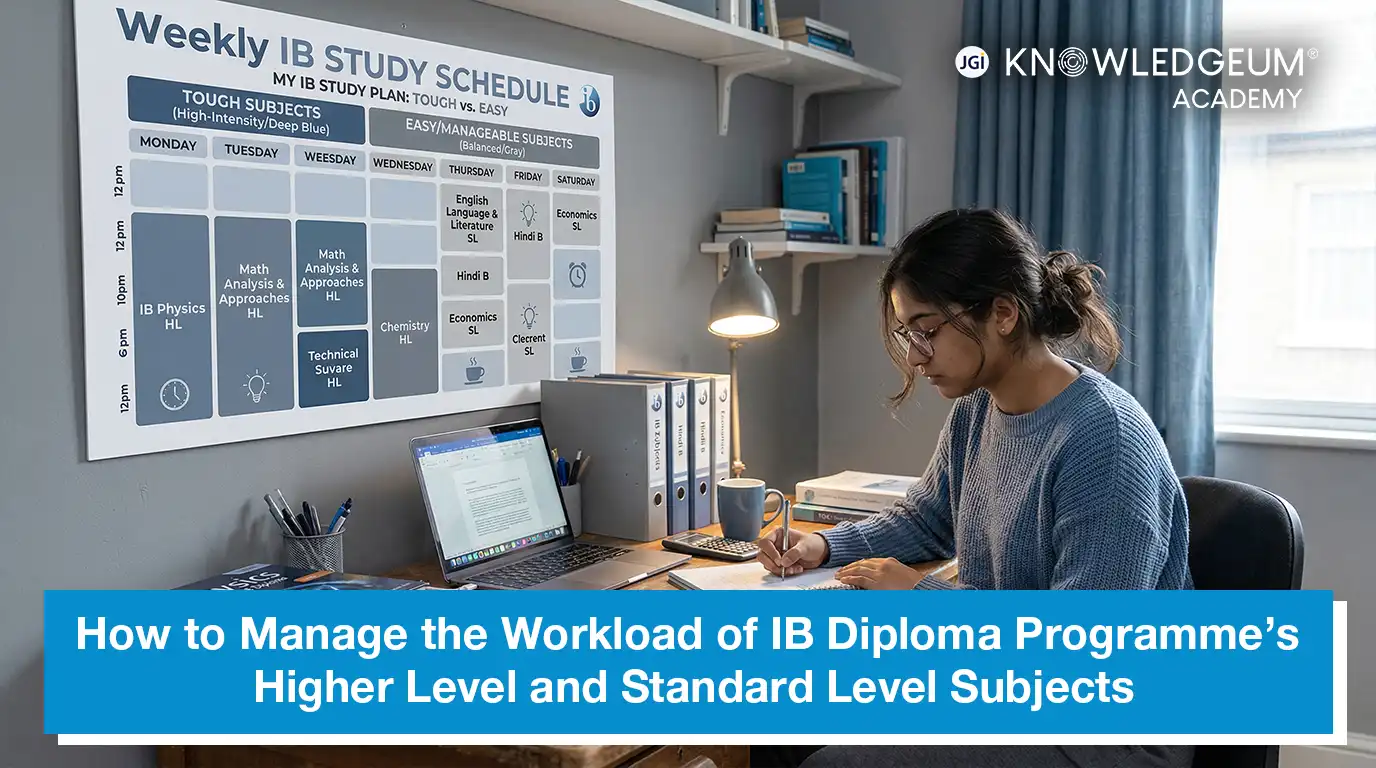
How to Manage the Workload of IB Diploma Programme Higher Level and Standard Level Subjects

How to Choose the Best IB School in Bangalore


Knowledgeumites


Enquire
Now
Brochure
logo logo logo

© Knowledgeum

News
IBDP Results 2025: A Journey of Growth, Discovery, and Achievement
Admissions 2025
A Transformative Journey of Learning and Growth
04-03-2025
The Student Council of Knowledgeum Academy
Applications Invited for
Grade 11 & 12
Event
Knowledgeum Academy Shines at JNMUN IX
17th July 2025
Conexión
June 2025 (Volume 4, Issue 6)
International Student
Kommunique
Edition 1
News
IB Subjects for Engineering: A Guide to Success
News
IB Subjects for Pursuing Medicine in the USA
News
Does Harvard Accept IB Students? A Guide to IB and Harvard Admissions
IBDP 2025 Success Rate
90%
Highest Grade Achieved
41/45
School Average Score
32/45
Knowledgeum Knowledgeum Experience