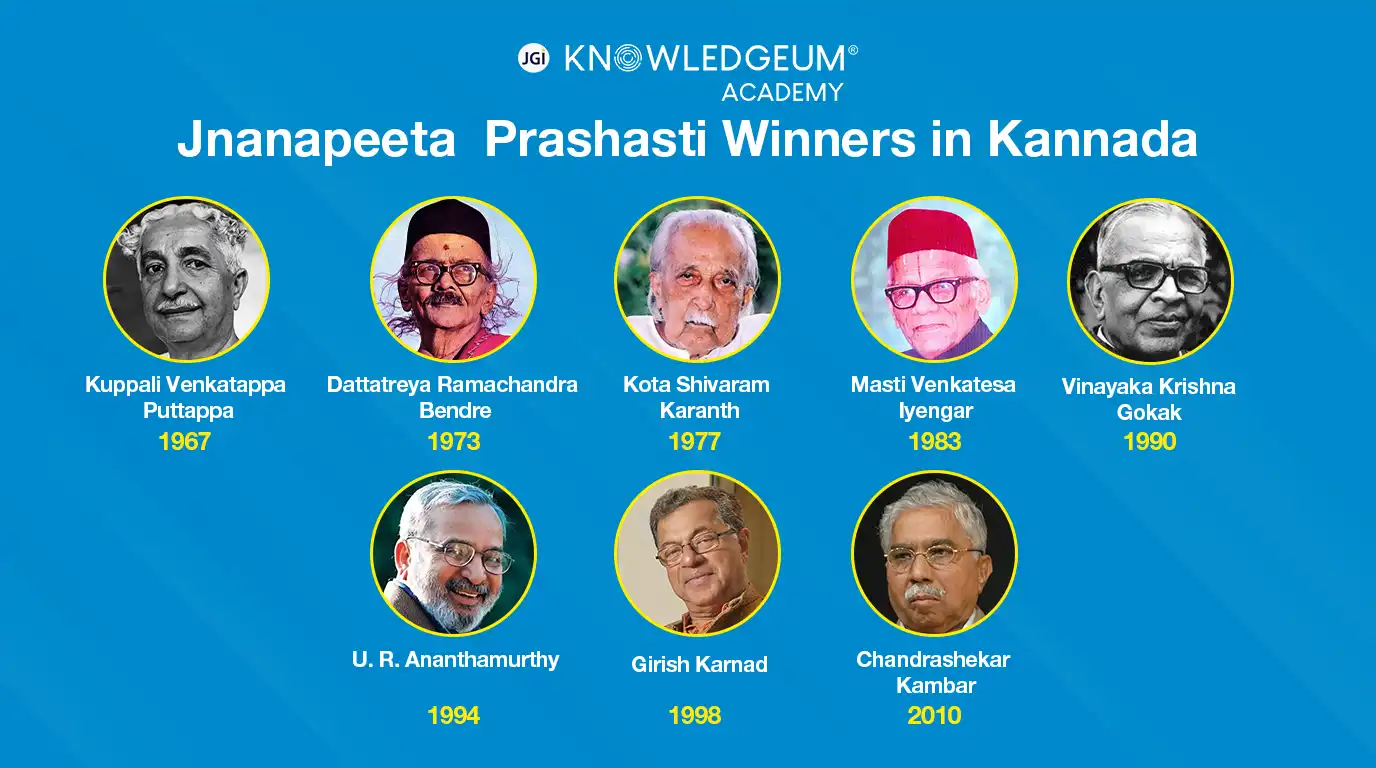
Kuvempu (1967) – The first Jnanapeeta awardee in Kannada, known for his epic Sri Ramayana Darshanam.
D. R. Bendre (1973) – Celebrated poet with deep lyrical and mystical style.
Shivaram Karanth (1977) – Novelist, playwright, and cultural reformer, known as the “Rabindranath Tagore of Kannada.”
Masti Venkatesha Iyengar (1983) – Renowned short story writer and novelist, fondly called Masti.
V. K. Gokak (1990) – Poet and critic, contributed greatly to modern Kannada literature.
U. R. Ananthamurthy (1994) – Novelist and critic, famous for Samskara, a modern classic.
Girish Karnad (1998) – Playwright and actor, internationally acclaimed for his plays blending history, myth, and modernity.
Chandrashekhara Kambara (2010) – Poet, playwright, and folklorist with a strong cultural and regional voice.
The Kannada language has received 8 Jnanapeeta (Jnanpith) Awards. This is a matter of immense pride because it highlights both the ancient cultural roots and the modern innovations of Kannada writers. From timeless poetry to groundbreaking novels and plays, Kannada authors have shaped Indian literature in ways that beautifully blend heritage with contemporary ideas.
Karnataka has a rich and diverse literary heritage that spans over a thousand years. Kannada literature thrives on its deep roots in classical poetry, devotional movements, folklore, and modernist traditions. Writers from Karnataka have consistently embraced both tradition and progress, producing works that resonate with people across India and the world. This strong continuity of creativity, combined with bold social themes and cultural pride, explains why Kannada leads India with 8 Jnanapeeta laureates.
The Jnanapeeta Award (commonly called the Jnanpith Award) is the highest literary honour in India. Awarded annually, it recognises outstanding contributions to Indian literature across languages. Among all states, Karnataka holds the record for the most awardees, reflecting the power and influence of Kannada literature.
Here’s a journey through all 8 Kannada writers who have received this distinguished award.
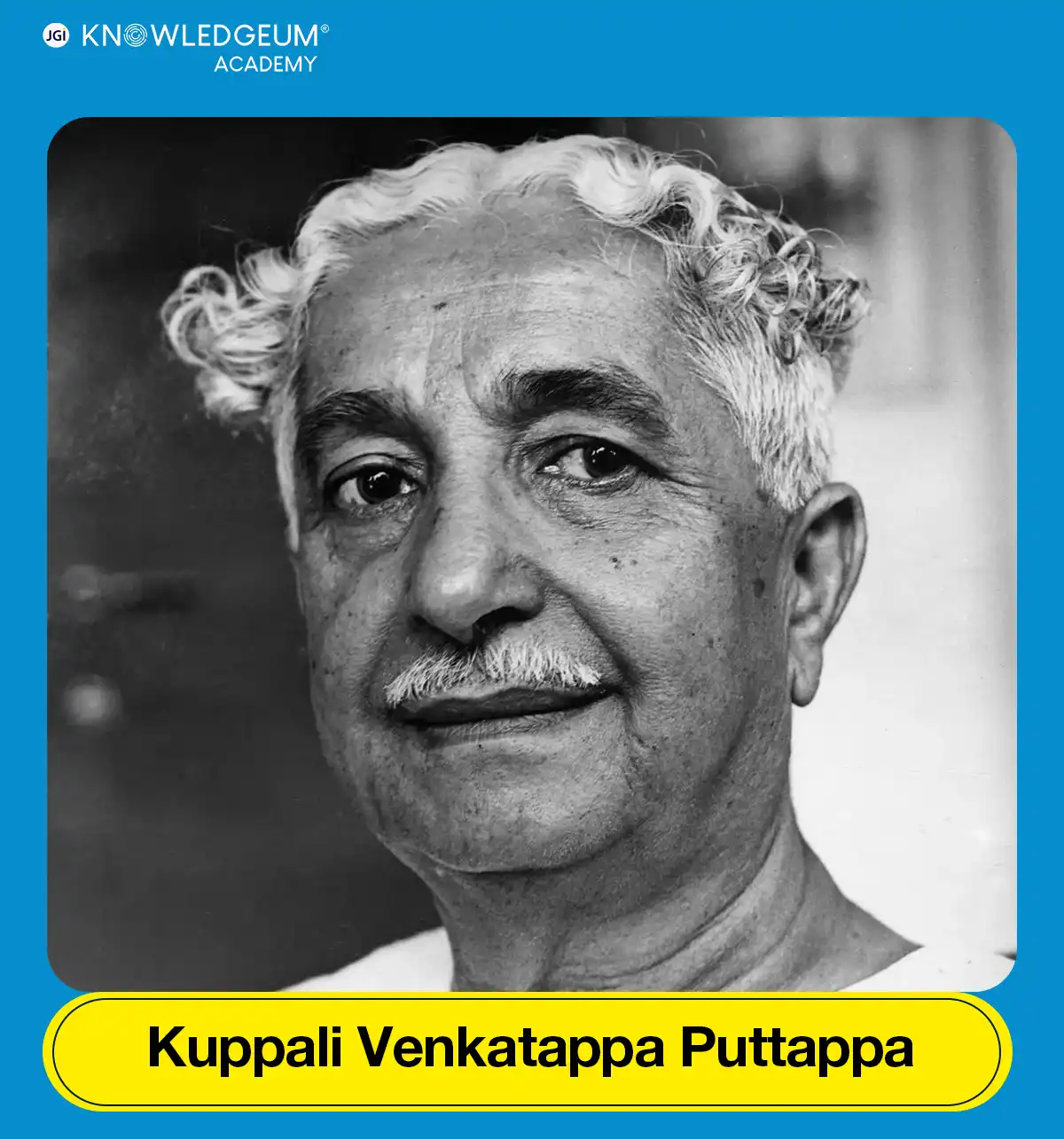
Kuvempu, the iconic poet and writer, was the first Kannada recipient in 1967. His magnum opus Sri Ramayana Darshanam reimagined the Ramayana in modern poetic style. Kuvempu’s works promoted humanism and cultural pride.
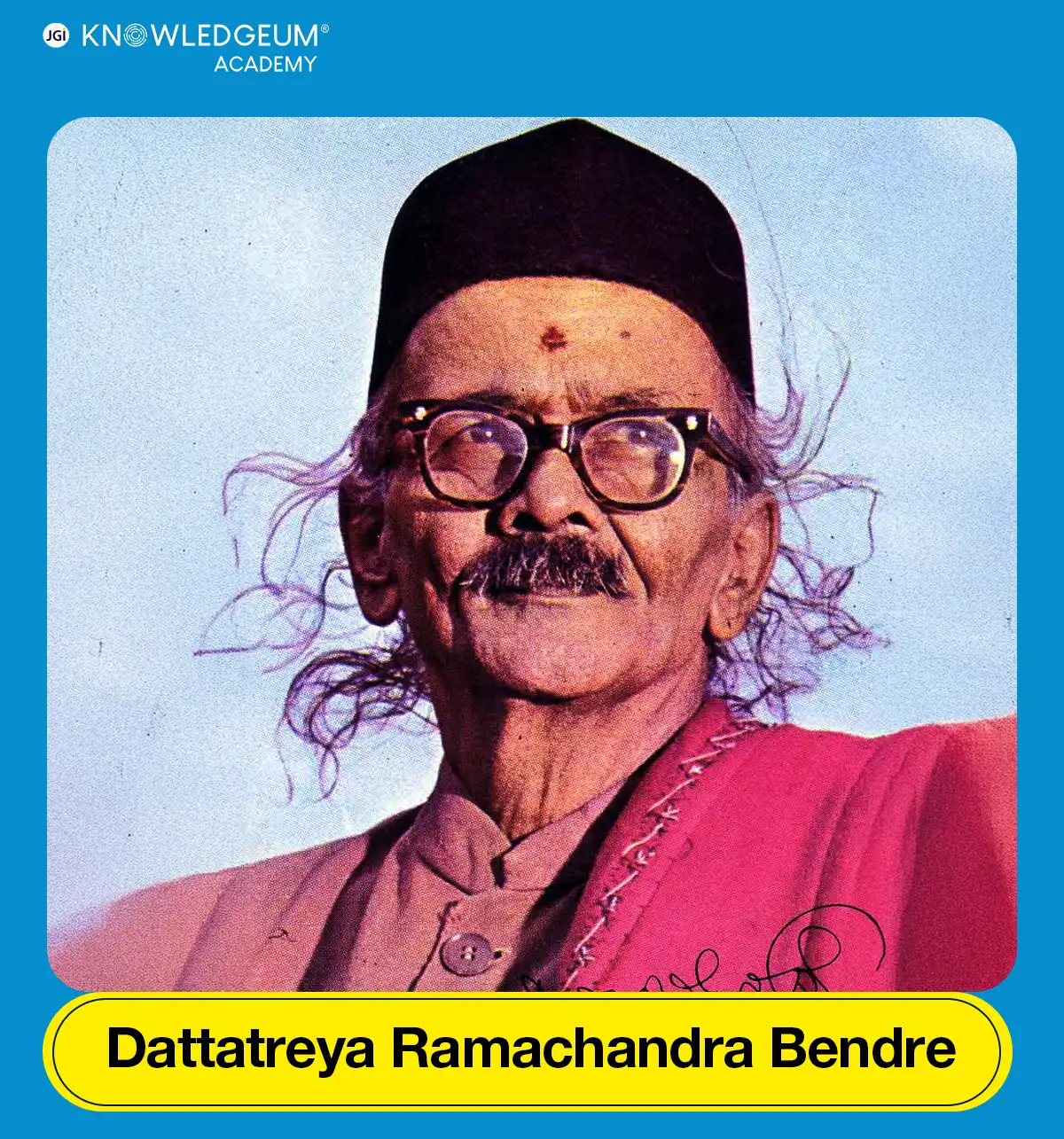
Dattatreya Ramachandra Bendre, or D.R. Bendre, was awarded the Jnanpith in 1973. Known as the “Lyric Poet,” Bendre’s works are celebrated for their mysticism, rich imagery, and emotional depth.
His celebrated poetry collection Naaku Tanti (Four Strings) showcased his mastery over language, rhythm, and symbolism. Through his verses, Bendre captured the essence of nature, folklore, and everyday human experiences, earning him a place among the finest Kannada poets.
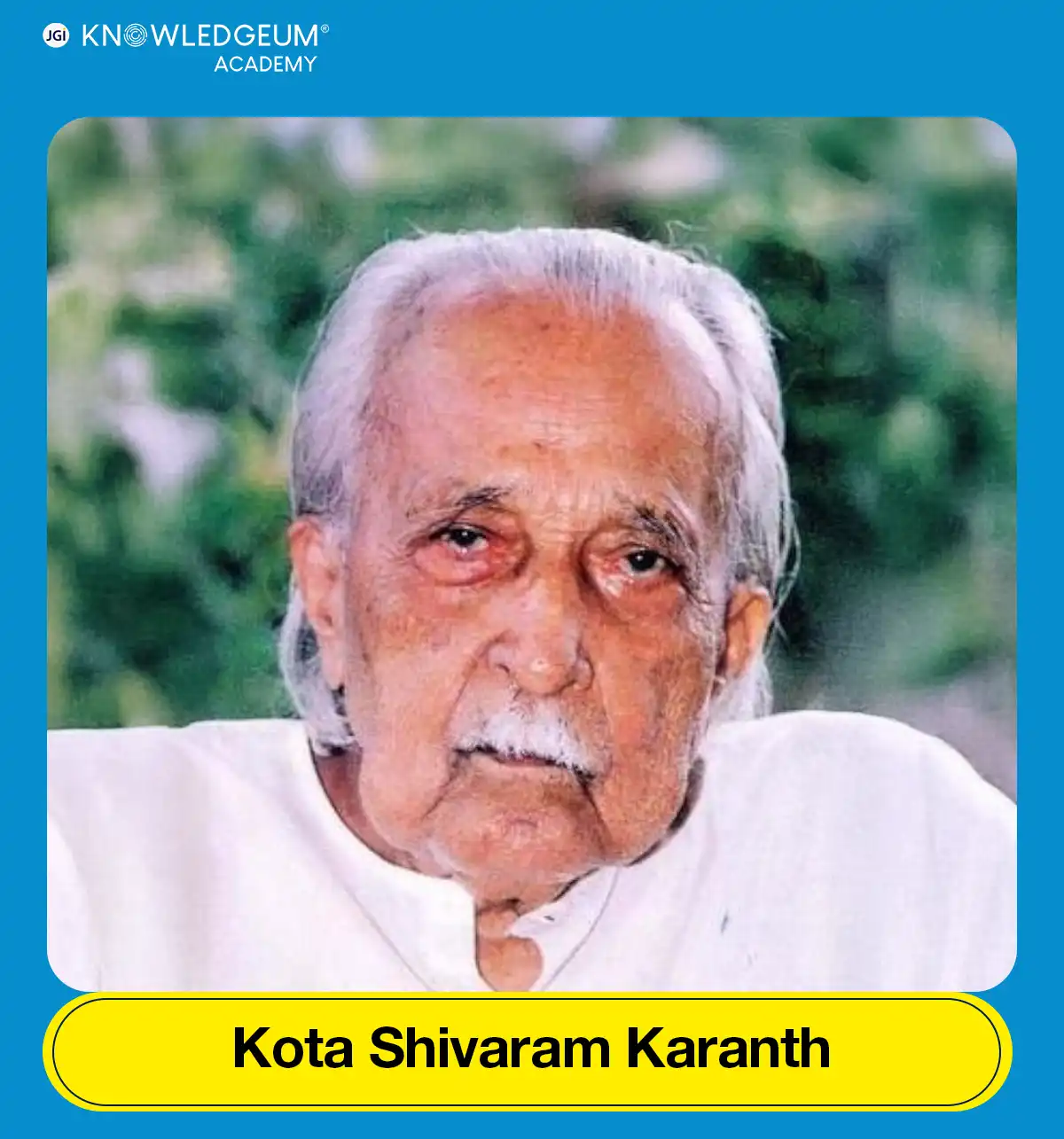
Kota Shivaram Karanth received the Jnanpith Award in 1977. Known as the “Renaissance Man of Kannada”, Karanth was not only a novelist but also a playwright, folklorist, environmentalist, and social reformer.
His famous novel Mookajjiya Kanasugalu (Dreams of Silent Granny) reflects deep philosophical insights while portraying rural life with realism. Karanth’s multifaceted contributions made him a cultural torchbearer of Karnataka
Kota Shivaram Karanth received the Jnanpith Award in 1977. Known as the “Renaissance Man of Kannada”, Karanth was not only a novelist but also a playwright, folklorist, environmentalist, and social reformer.
His famous novel Mookajjiya Kanasugalu (Dreams of Silent Granny) reflects deep philosophical insights while portraying rural life with realism. Karanth’s multifaceted contributions made him a cultural torchbearer of Karnataka
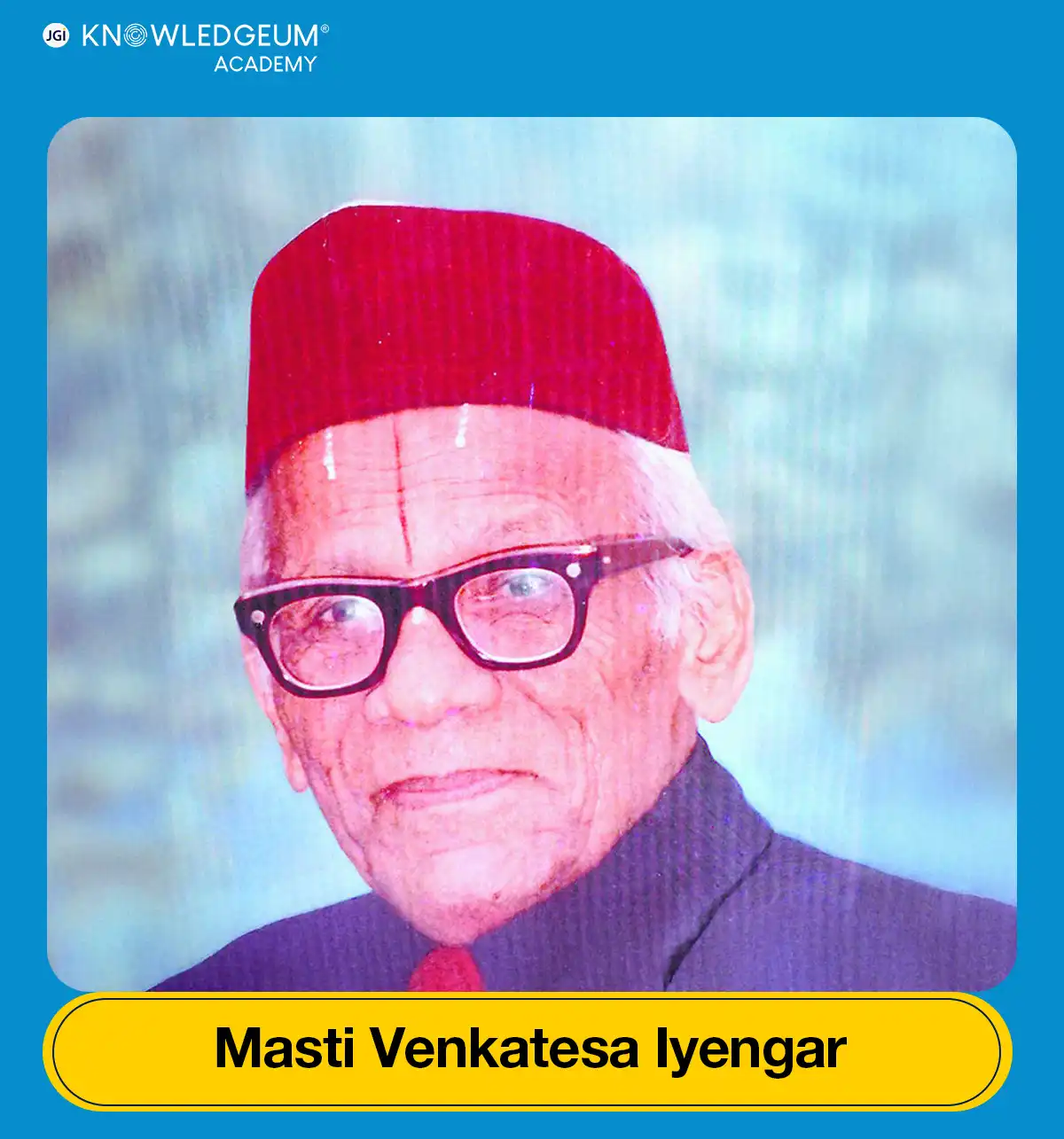
Fondly called Masti, Masti Venkatesha Iyengar won the Jnanpith in 1983. He was a master storyteller, and his pen name “Srinivasa” is still widely recognised in Kannada literature.
His novel Chikavira Rajendra is considered a masterpiece, blending history and fiction. Masti’s writings focused on human values, ethics, and social issues, earning him the title of “Bharatiya Katha Pragnya” (The Great Storyteller of India).
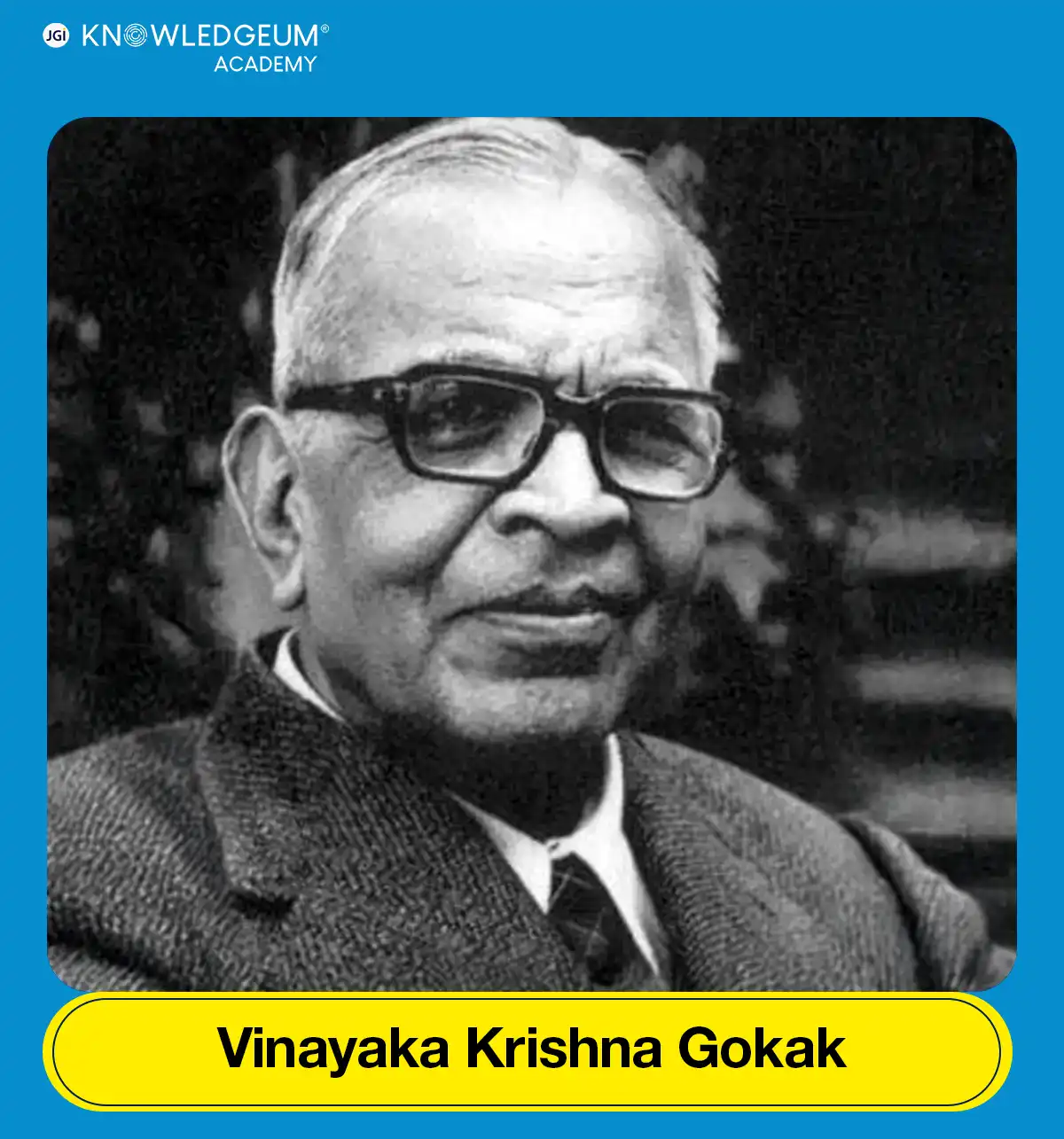
Vinayaka Krishna Gokak, awarded the Jnanpith in 1990, was both a poet and a critic. He played a key role in shaping modern Kannada literature through his advocacy for the Navodaya movement.
His epic poem Bharatha Sindhu Rashmi (The Ray of India’s River Sindhu) is regarded as a landmark in Kannada poetry, blending mythology with contemporary relevance. Gokak’s literary vision enriched the cultural heritage of Karnataka.
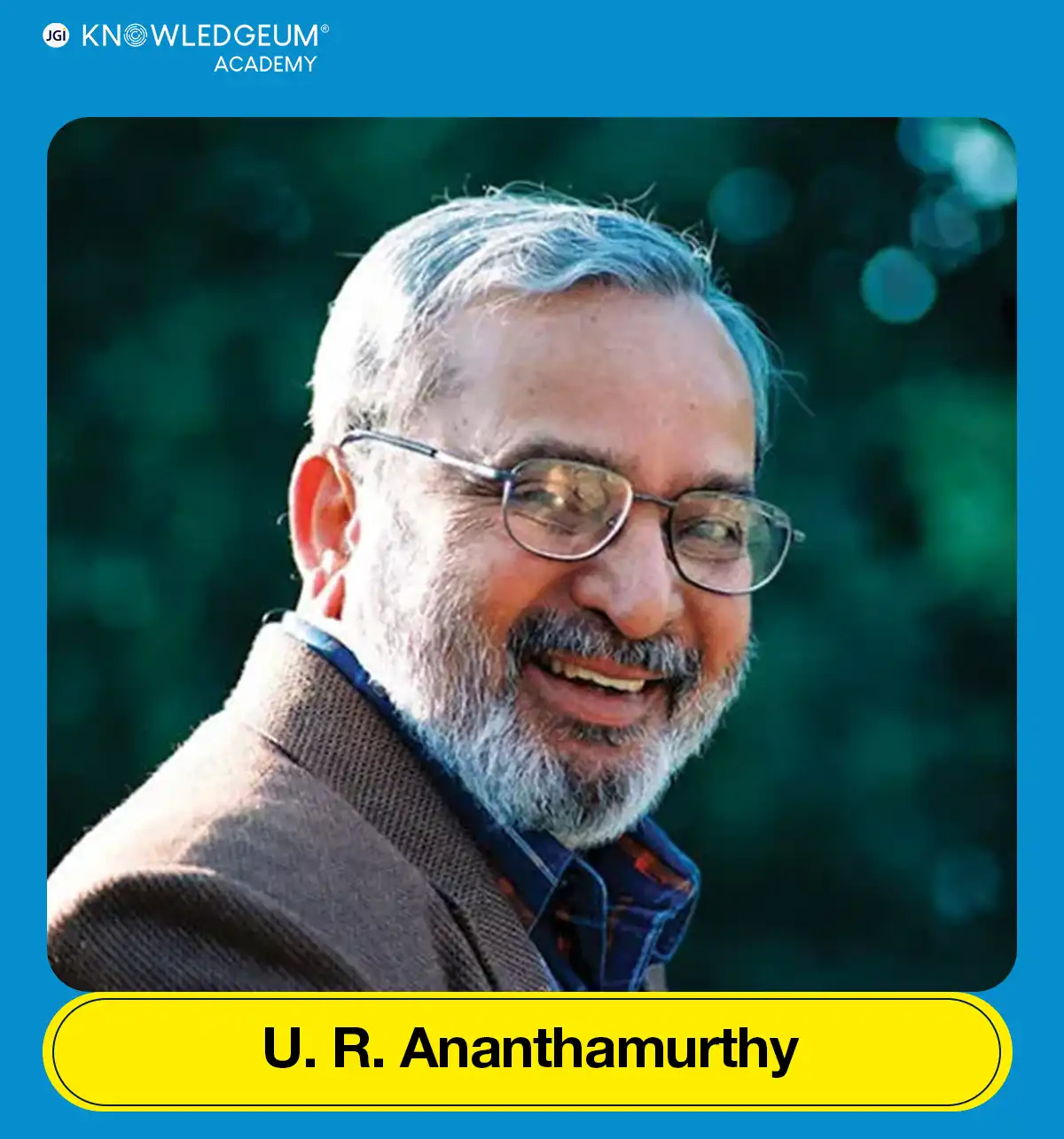
Udupi Rajagopalacharya Ananthamurthy, popularly known as U.R. Ananthamurthy, received the Jnanpith in 1994. A pioneer of the Navya movement in Kannada literature, his works often challenged social norms and traditions.
His acclaimed novel Samskara became a milestone in Indian literature, critically examining caste, tradition, and morality. Ananthamurthy’s sharp insights and progressive thinking made him one of the most influential writers of modern India.
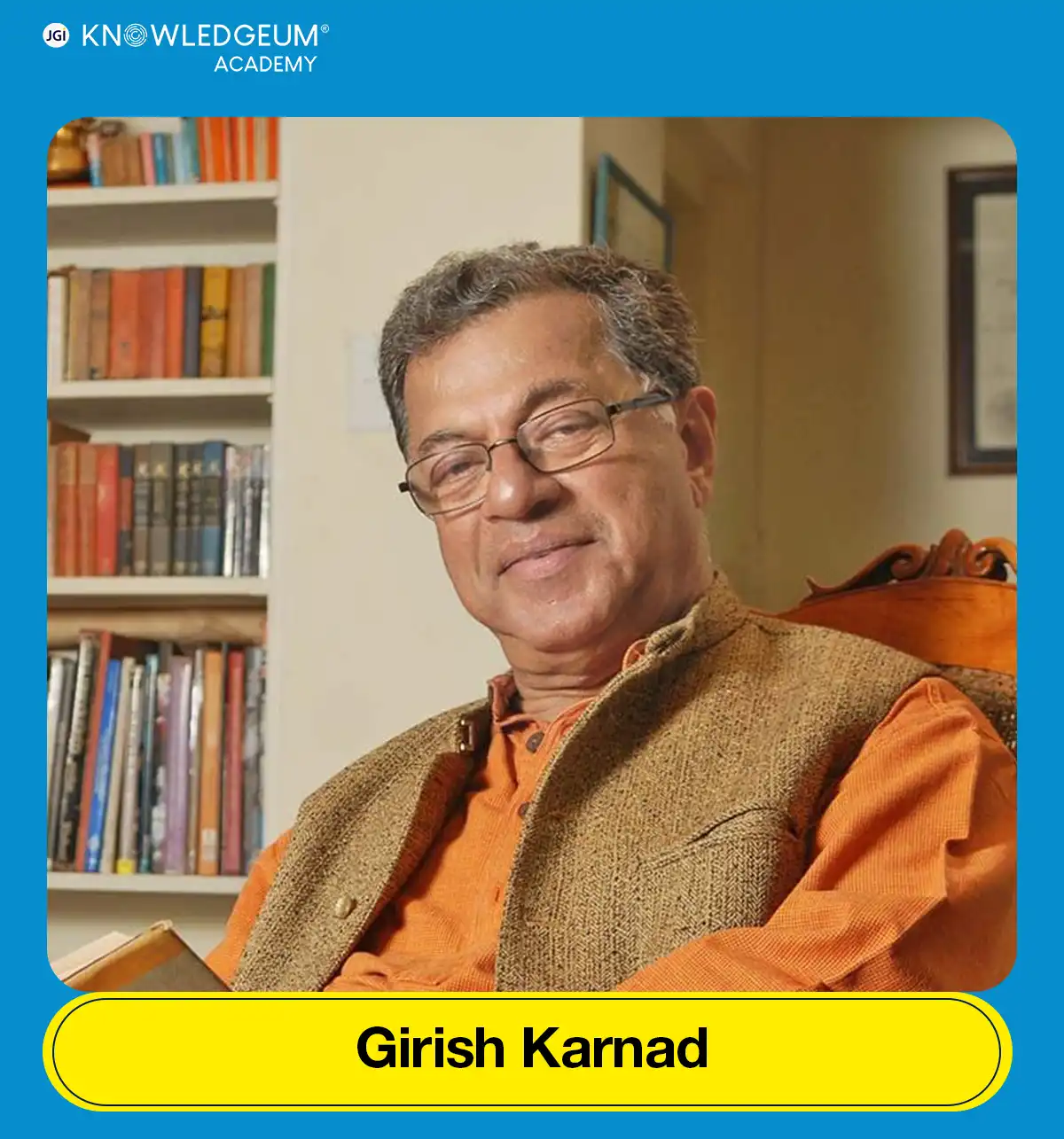
Girish Karnad, honoured with the Jnanpith Award in 1998, was a playwright, actor, and cultural icon. His plays redefined Indian theatre by blending mythology, folklore, and history with modern themes.
Works like Tughlaq and Hayavadana remain classics, known for their deep exploration of politics, identity, and human psychology. Karnad’s contribution went beyond literature, as he also made a mark in cinema and public life.
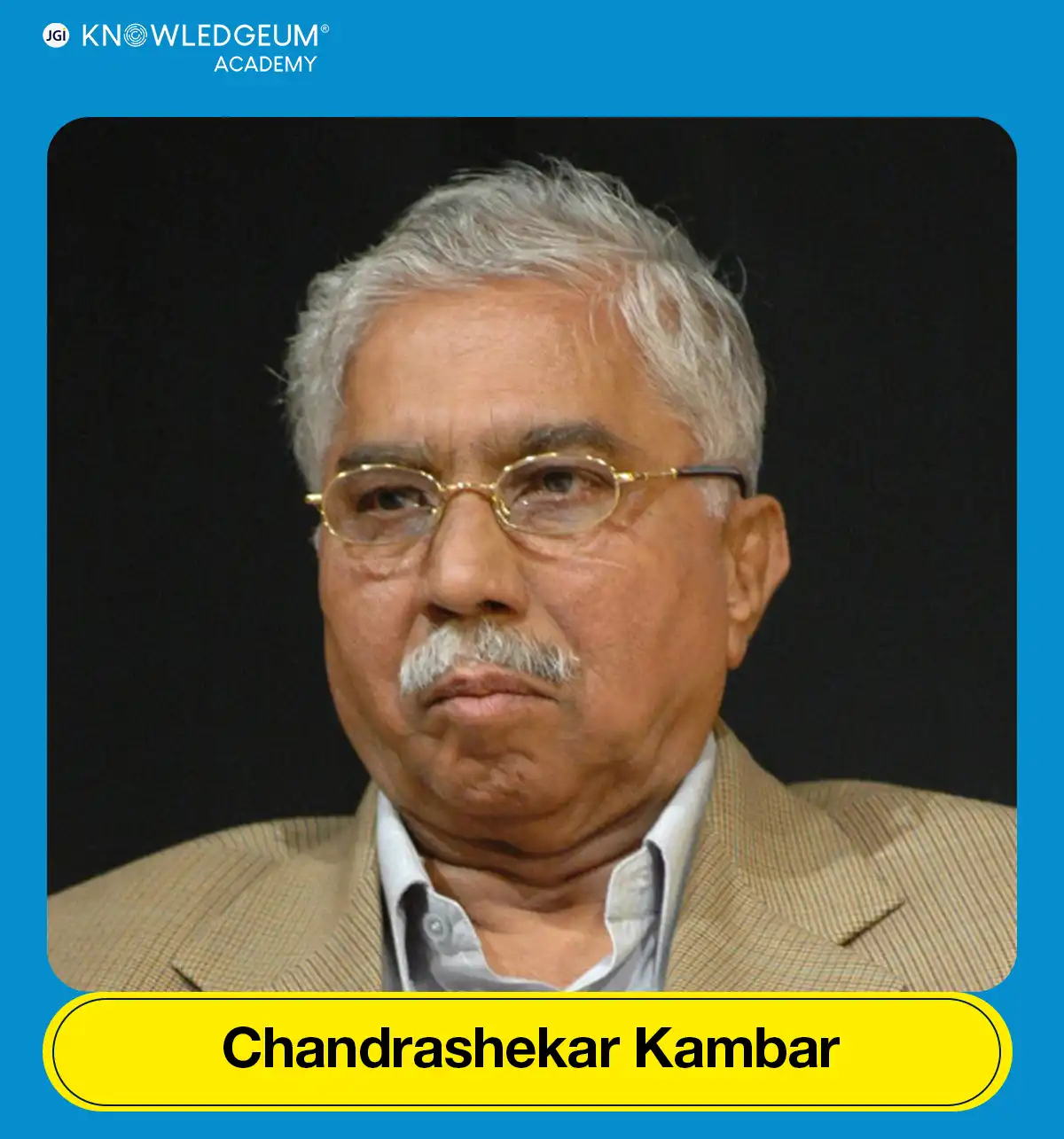
Chandrashekhara Kambara, awarded the Jnanpith in 2010, is a poet, folklorist, and playwright known for his unique style rooted in folklore and oral traditions.
His works, such as Jokumaraswamy and Siri Sampige, blend mythology, rural culture, and social commentary. Kambara’s writings celebrate the richness of Karnataka’s folk heritage while addressing universal human concerns.
| Awardee | Year | Major Contribution |
| Kuvempu | 1967 | Sri Ramayana Darshanam (Poetry) |
| D.R. Bendre | 1973 | Naaku Tanti (Lyric Poetry) |
| Shivaram Karanth | 1977 | Mookajjiya Kanasugalu (Novel) |
| Masti Venkatesha Iyengar | 1983 | Chikkavira Rajendra (Novel/Short Story) |
| V.K. Gokak | 1990 | Modern Kannada Poetry |
| U.R. Ananthamurthy | 1994 | Samskara (Navya Literature) |
| Girish Karnad | 1998 | Modern Theatre (Tughlaq, Hayavadana) |
| Chandrashekhara Kambara | 2010 | Folk-inspired Literature & Plays |








How to Manage the Workload of IB Diploma Programme Higher Level and Standard Level Subjects




 Brochure


Address
No.10, (old 271/A), 1st Main Road


Quick links
© Knowledgeum


 Knowledgeum Experience